Synthetic Roof Designed for Midwest Freeze-Thaw Cycles
Anyone that has spent a couple of wintertimes caring for homes in the Midwest finds out the same lesson quickly: roofings stop working in small ways prior to they fall short in significant ones. A split that looked safe in October can open up by February. A blinking detail that lost water all springtime can develop into an ice trap after one hefty snow and a few warm mid-days. In position like Chicago and the western residential areas, where roofings may see sleet, drifting snow, rapid thaws, and subzero nights within the exact same week, product option matters much beyond visual appeal.
That is where synthetic roofing systems have earned significant focus. Not due to the fact that they promise magic, and not because every product marketed as artificial does the very same, however due to the fact that the better systems are engineered for activity, wetness resistance, influence tolerance, and long-term dimensional stability. In an environment defined by freeze-thaw biking, those qualities are not high-ends. They are standard survival characteristics.
For property owners comparing costs exterior upgrades, specifically those preparing a long ownership perspective, synthetic roofs commonly sit in an intriguing happy medium. They can provide the aesthetic depth of slate or cedar, usually with much less weight and more flexible performance in extreme climate. For builders, remodelers, and any type of artificial roofing contractor operating in the Midwest, the genuine question is not whether artificial materials can function below. It is which systems are developed all right, and mounted carefully sufficient, to manage duplicated thermal stress and anxiety year after year.
Why freeze-thaw cycles are so tough on a roof
A Midwest roofing does not just splash, then completely dry. It gets wet, ices up, expands, thaws, drains pipes, refreezes, and repeats that pattern over and over. Water works its way right into tiny voids around bolts, side laps, penetrations, and blinking changes. When temperatures decline, that caught dampness expands. Also a very small amount of development can expand tiny openings, loosen up edges, or place stress and anxiety on brittle components.
The trouble grows when snow cover lingers. A dark roof surface can warm sufficient under winter season sunlight to thaw the lower layer of snow while the eaves and gutters stay chilly. Water runs downslope, gets to the chillier side, and freezes again. That is the classic configuration for ice dams. As soon as that dam kinds, meltwater can back up under the roofing system covering. If the system lacks an effectively mounted underlayment or if the details at eaves and valleys were managed casually, indoor leakages usually follow.
Traditional roof materials each have their very own vulnerabilities in this environment. Natural cedar can soak up dampness and climate unevenly. Some concrete or clay items handle chilly well however bring weight and installation restraints. Natural slate is gorgeous and sturdy, yet it is weak and expensive to repair if individual pieces split from effect or foot website traffic. Asphalt shingles remain common, though lower-end items may shed granules and flexibility faster under seasonal stress.
Architectural artificial roofing got in that conversation by using a different equilibrium of residential or commercial properties. The much better items are made to stand up to moisture absorption, remain steady under temperature level swings, and handle influence without the very same brittleness located in some natural materials. That does not indicate every artificial roof is equivalent. It means the category has strong alternatives when matched to the climate and installed with discipline.
What makes an artificial roofing system ideal for Midwest weather
People usually focus on the noticeable shingle or floor tile, but a roofing system does well as a system. The area product issues, of course, yet underlayment selection, ventilation method, attaching pattern, blinking style, and side describing commonly determine whether the roof covering in fact does via fifteen or twenty freeze-thaw seasons.
The finest synthetic roofing systems for the Midwest generally share a few sensible characteristics. They resist moisture uptake. They do not end up being exceedingly breakable in winter. They tolerate hail storm better than several brittle alternatives. They also preserve their account and attaching honesty under high winds, which matter as much in Chicagoland as snow tons does. Winter tornados right here rarely show up as a clean, upright occasion. Wind-driven snow locates weaknesses that a tranquil rain never would.
Material composition plays a large function. Many costs synthetic roof covering items are made from engineered polymers, recycled compounds, or proprietary composite blends. Some are built to simulate cedar shake, all-natural slate, or hand-split textures with shocking realistic look. That aesthetic allure is one factor artificial roof for deluxe homes has become more common in premium communities. The functional reason is that the best item can use reduced maintenance and much less architectural burden than the all-natural product it imitates.
Weight is not a minor concern. A lighter roof covering can decrease the demand for architectural reinforcement throughout an artificial roofing system replacement, especially on older homes. In historical communities around Chicago, that adaptability can preserve design intent without requiring significant framing work. A hefty roof can still be the appropriate solution in many cases, but several domestic artificial roof covering items offer owners much more options throughout remodel planning.
The Midwest details that separate a suitable roof from a sturdy one
I have seen appealing roofing systems underperform since the system was defined by pamphlet and mounted by habit. Freeze-thaw environments subject shortcuts quickly. A roofer can make almost any material look great on the first day. Year five informs the real story.
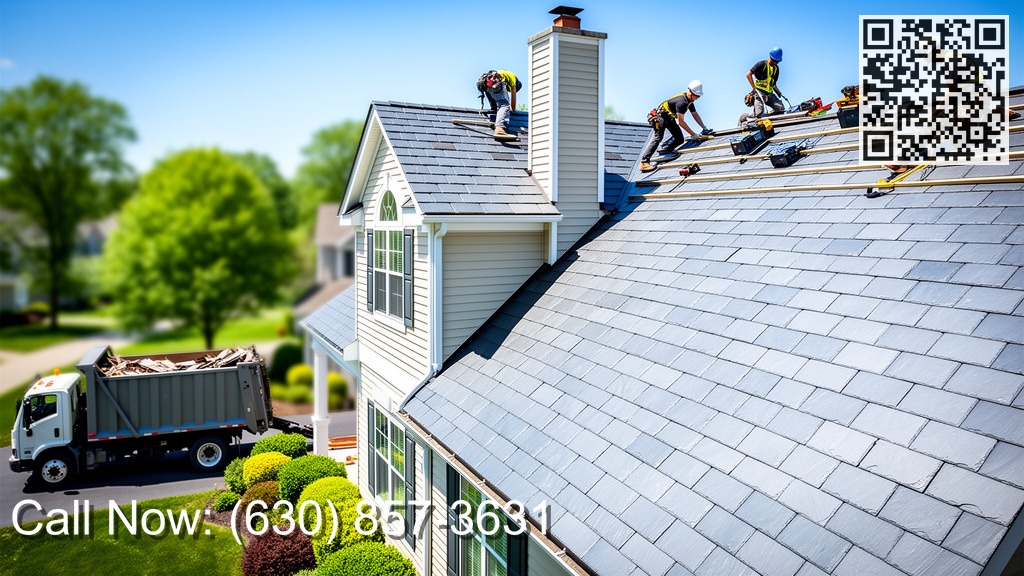
On artificial roof setup tasks in north Illinois, the most crucial discussions typically happen before the first package is opened. Roofing pitch, drain patterns, attic room insulation, air flow paths, seamless gutter style, chimney conditions, and the amount of tree cover all influence exactly how the roof will behave in winter months. A high roofing may drop snow more quickly, however it may also unload big sheets onto valleys, lower roof areas, and entrances. A low-slope change area that looks small on strategy illustrations can end up being the weak point of the whole setting up if the wrong underlayment is used.
Ventilation deserves unique interest. People have a tendency to minimize winter season roofing efficiency to a straightforward material option, yet numerous cold-weather leak patterns begin inside your house. Warm, moist interior air escaping into the attic can elevate roofing system deck temperatures, drive unequal snowmelt, and escalate ice dam formation. Even costs artificial roof can not make up for an attic room that is poorly protected or improperly vented. The roofing covering is just the leading layer of a structure scientific research problem.
Flashing job is one more dividing line. Around smokeshafts, dormers, skylights, and wall surface junctions, motion and water concentration come together. Synthetic roof shingles may stay intact for years, but if the flashing series was improvisated, the setting up continues to be at risk. In Chicago-area job, where winter wind can press snow and meltwater side to side, the quality of metal information often matters as high as the field item itself.
Why synthetic roof coverings attract Midwest homeowners
The appeal is not only sturdiness. It is predictability. House owners wish to know what they are purchasing, what upkeep will certainly look like, and whether the look they pay for today will still check out as fine-tuned in ten or fifteen years.
Premium synthetic roof frequently answers that worry well. Good products hold color consistently, resist splitting, and stay clear of the random decay pattern that can influence natural organic products. On custom-made homes, particularly those going for the look of slate or cedar without the exact same maintenance problem, synthetic roofing for high-end homes supplies layout flexibility that really feels functional as opposed to compromised.
That is particularly appropriate in locations where architecture brings a strong visual identity. Partially of Chicago, Oak Creek, Hinsdale, Naperville, and bordering neighborhoods, property owners may desire a steep-pitch roof that enhances rock exteriors, copper accents, and very carefully developed landscape strategies. A roof covering is not a background element on those homes. It is just one of the leading aesthetic surface areas. Architectural synthetic roof can supply the texture and darkness lines proprietors want, while still being sensible for a climate that penalizes fragile finishes.
For several households, the conversation comes to be a lot more simple during a synthetic roof covering replacement. They have actually currently lived through maintenance cycles on aging cedar, curling asphalt, or hail-damaged materials. They are not shopping for novelty. They are buying fewer surprises.
Chicago and the western suburbs position their own challenges
When customers look for artificial roof Chicago or synthetic roofing Naperville IL, they are usually not looking for a generic national response. They want to know exactly how an item behaves right here, under neighborhood climate, regional code assumptions, and regional installation habits.
Chicagoland roofs handle wide annual temperature swings, solid wind events, lake-influenced climate patterns in some locations, and freeze-thaw repetition that can wear on every exposed detail. Snow lots differ from storm to tornado, yet the real issue is often much less concerning optimal weight and even more regarding snow activity, refreezing at overhangs, and water monitoring throughout partial thaw periods.
A synthetic roofing contractor Chicagoland property owners can trust need to be able to talk simply about those conditions. That means going over ice and water barrier placement, ventilation balance, manufacturer attachment demands, and practical expectations for life span. It likewise indicates understanding when synthetic is a solid fit and when another system might make even more feeling due to roof geometry, neighborhood requirements, or budget priorities.
Not every home benefits equally from the exact same profile. Some artificial roof covering tiles emulate slate with a limited, crisp layout. Others resemble hand-split shake with deeper appearance and much more obvious watching. The right choice depends upon the design, however also on how the profile takes care of drain and debris. A heavily textured roofing under fully grown trees might hold more raw material than a cleaner slate-style account. That is not necessarily a deal breaker, though it must become part of the conversation.
Installation quality matters greater than advertising and marketing language
The expression artificial roof covering company can describe organizations with very different levels of experience. Some install the category routinely and understand its nuances. Others include it to a sales brochure due to the fact that customers are asking for it, while still approaching it like basic asphalt. That void appears swiftly in trim work, format precision, accessory compatibility, and warranty compliance.
A seasoned artificial roofer will generally start by validating the maker's specific setup demands instead of presuming category-wide guidelines. Exposure lines, starter information, ridge treatment, bolt type, spacing, and authorized underlayments can differ. In freeze-thaw problems, those https://cruziilv733.meridiannest.com/posts/building-synthetic-roof-covering-for-residence-battling-ice-rainfall-and-heat differences issue. A small inconsistency might not set off an immediate failing, but it can shorten the system's margin for mistake throughout serious winters.
Good artificial roofing system installers additionally pay close attention to staging and handling. Some products continue to be adaptable in winter, others come to be much less flexible until temperatures climb. Reducing techniques might vary by period. Sealers that act one method moderate springtime climate may do differently during a late-fall installation home window. These are regular field judgments, yet they are exactly the kind of judgments that separate a tidy set up from a rushed one.
One of the more revealing join a jobsite is whether the team treats changes as customized work or repeated work. Valleys, wall tie-ins, saddle flashings behind chimneys, snow retention planning, and termination factors at masonry all need thought. A roofing with lots of intersecting aircrafts can take in even more labor in these areas than outdoors area. When proposals are available in unusually reduced, this is commonly where edges get cut.
Cost, lifespan, and the value question
Synthetic roof covering is seldom the lowest in advance rate in the household market. Homeowners comparing bids will commonly see it above standard asphalt and listed below some all-natural slate or high-end specialty assemblies, though actual rates differs significantly by profile, roofing complexity, and labor market. In customized work, the form of the roofing can affect cost as long as the product itself.
That stated, value should not be reduced to square-foot price. Premium synthetic roofing frequently makes sense when owners account for anticipated maintenance, minimized fixing regularity, architectural financial savings as a result of lower weight, and the visual durability of the completed roofing. A material that sets you back a lot more at installation but avoids recurring patchwork can be the more economical choice over time.
There is likewise the resale variable, though it needs to be gone over truthfully. An attractive, well-installed roofing system can definitely sustain purchaser self-confidence, specifically on distinct homes, however not every market converts costs roof into dollar-for-dollar price. The even more dependable return is generally simpler possession and reduced likelihood of sudden capital spending after storms or severe winters.
Where artificial roof sparkles, and where caution is wise
Synthetic roof performs specifically well when property owners desire a polished building look without the delicacy, weight, or upkeep needs of typical products. It is usually a solid suitable for steep-slope homes, custom-made builds, historic-style renovations, and high end domestic jobs where appearance matters together with durability.
It should have an extra mindful evaluation when the roofing has uncommon low-slope locations, persistent ventilation issues that have not been corrected, or spending plan constraints that may lure a proprietor to buy a costs product while underfunding the setup information. A top-tier product on a compromised assembly is still a jeopardized roof.
There are likewise community and insurance considerations. Some HOAs care deeply about aesthetic credibility. Some insurance providers focus on impact rankings or fire categories. An excellent artificial roofing firm should be prepared to walk through both, due to the fact that a practically sound item still has to satisfy local expectations and paperwork realities.
How homeowners should evaluate a suggested system
The most intelligent conversations specify. As opposed to asking whether synthetic is good, ask just how this exact system will certainly be built on this precise residence. That change transforms the entire process. It relocates the discussion far from sales language and towards area performance.
A productive estimate evaluation ought to cover roofing system deck condition, underlayment type, edge steels, ventilation adjustments if required, blinking substitutes, valley building, snow and ice monitoring worries, and cleanup logistics. It ought to likewise address what remains, what gets changed, and what covert problems might alter the scope when tear-off begins.
For property owners picking among artificial roofing system installers, it aids to compare just how plainly each professional clarifies these details. Vague proposals usually result in unclear outcomes. Particular proposals typically indicate experience.
Here are a couple of inquiries worth asking before signing an agreement:
- How will certainly the system take care of ice dam threat at eaves, valleys, and roof-to-wall intersections on this house?
- Which underlayment and flashing products are being paired with the artificial item, and why?
- Has the staff mounted this particular producer's system before, or only similar products?
- What roofing ventilation enhancements, if any kind of, are suggested in addition to the brand-new covering?
- How are complicated details like smokeshafts, skylights, and snow retention being addressed?
Those inquiries do not need a homeowner to become a roofing professional. They simply require quality. A certified artificial roofing contractor ought to be able to address them without hedging.
What upkeep looks like after installation
One factor household synthetic roofing has actually acquired grip is that maintenance is generally manageable. That does not indicate nonexistent. Also durable products need routine inspection, especially after hailstorm, high wind events, or winter seasons with hefty ice buildup.
In technique, owners should expect regular visual checks from the ground, routine specialist assessments, and timely focus to gutters, downspouts, and debris accumulation. An artificial roof may resist dampness far better than cedar, but if a valley stays loaded with fallen leaves and ice, any kind of roofing system can be stressed.
The first couple of years after installation are likewise a great time to observe your home throughout actual climate events. View just how snow sheds. Notification where icicles form. Focus on whether one roof aircraft thaws faster than an additional. Those ideas frequently disclose insulation or ventilation imbalances prior to they come to be leakage calls.
A reasonable treatment routine usually consists of the following:
- Keep rain gutters and downspouts flowing prior to wintertime starts.
- Schedule examinations after significant hailstorm or wind storms.
- Remove debris from valleys and behind smokeshafts where it collects.
- Address attic room insulation and ventilation problems if irregular melting appears.
- Avoid unneeded foot traffic, specifically from inexperienced solution trades.
That last factor is underrated. Some roofing system damages happens not from weather, but from satellite, vacation lights, or mechanical work done without correct care.
The situation for experience over trend
Synthetic roof coverings are not a passing craze in the Midwest. The much better products have proven they belong in the discussion, especially where home owners want style personality without approving the vulnerabilities of much heavier or more fragile materials. Yet success still depends on technique. Product high quality issues. System layout issues. Installer experience matters just as much.
For homes in Chicago and the broader rural market, that means picking an artificial roofing contractor who understands freeze-thaw behavior as a day-to-day fact, not a line in a brochure. It indicates choosing synthetic roof with a record, not just appealing examples. It implies dealing with artificial roof substitute as a chance to boost the whole assembly, from underlayment and flashing to ventilation and drainage.
When that takes place, the result is not just a roofing system that looks good from the road. It is a roofing system that takes on January sun on snowpack, March refreezes, April wind-driven rain, and the consistent, unglamorous stress that defines Midwest weather condition. That is the standard that matters right here. Not whether a roofing system looks remarkable on installation day, however whether it maintains doing its job after years of freeze, thaw, and repeat.
When Quality Matters
Salvo Architectural Roofing Contractors
566 West 5th Ave Naperville, IL 60563
(630) 857-3631
 Ask ChatGPT
 Ask Grok
 Ask Perplexity
 Ask Claude
 Ask Google AI
 Ask You